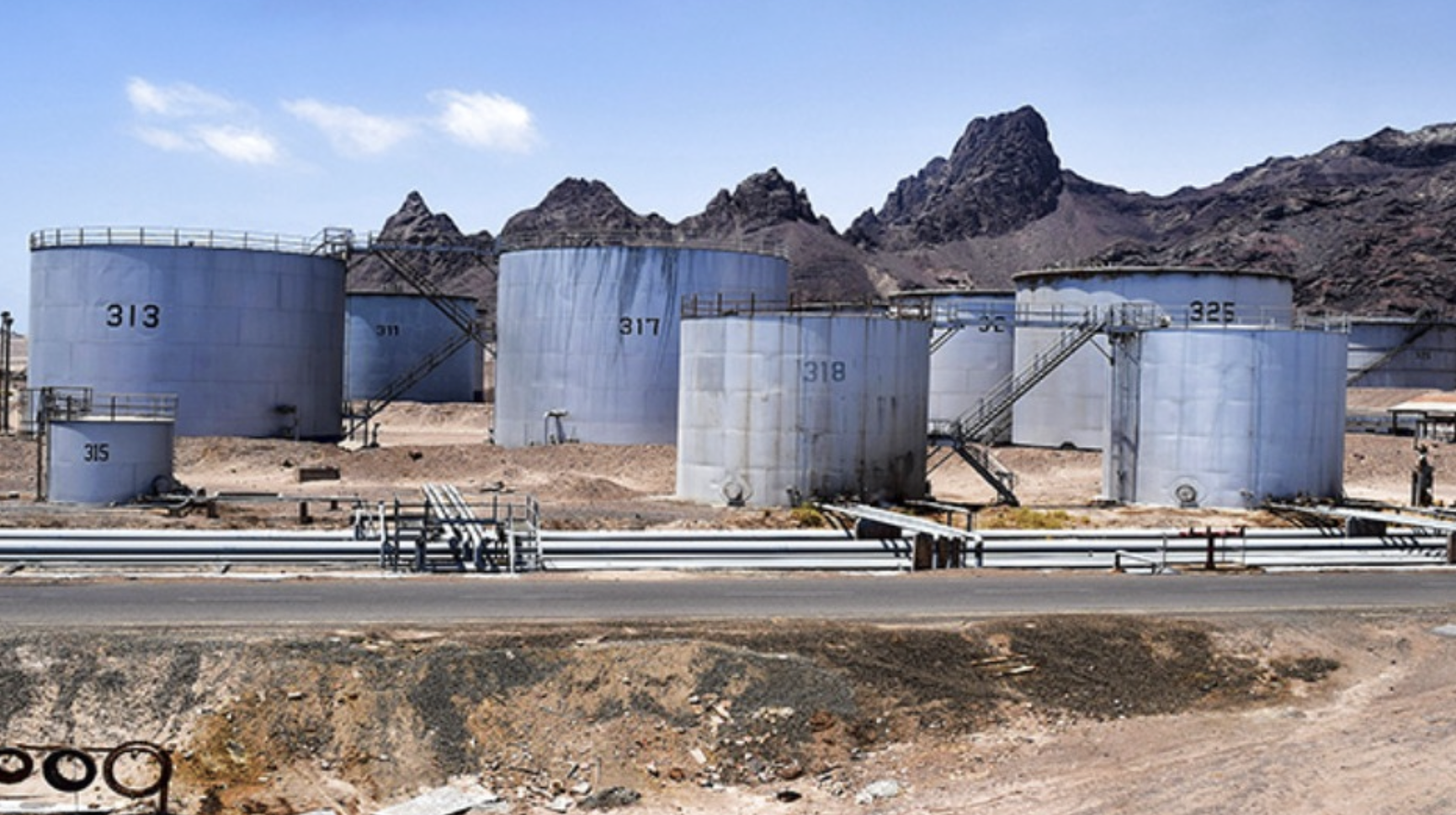
An official from the Ansar Allah (Houthi) group said Saturday that there are indicators of discovering oil wells in areas controlled by the Sanaa-based government.
Deputy Foreign Minister of the Houthi government, Hussein Al-Ezzi, said, "Initial indicators of oil exploration show [the existence] of good reserves in parts of our free land."
He added, "We will reach it even after a while, and [we] will offer it to all the people in Yemen nationwide."
Presently, the Houthis have no control over Yemeni oil fields, and Al-Ezzi calls the Yemeni authorities that control oil facilities in Marib and South "dwarfs", vowing to fight to have access to it.
He said, "We will not leave our ready oil in the hands of thieves in the occupied territories. The people's oil must return to the people." Houthis describe provinces controlled by Yemen's UN-recognized government as "occupied".
While the Houthi group has been dominating several Yemeni provinces in North Yemen, they have failed to seize areas that accommodate oil fields in Marib and Shabwah.
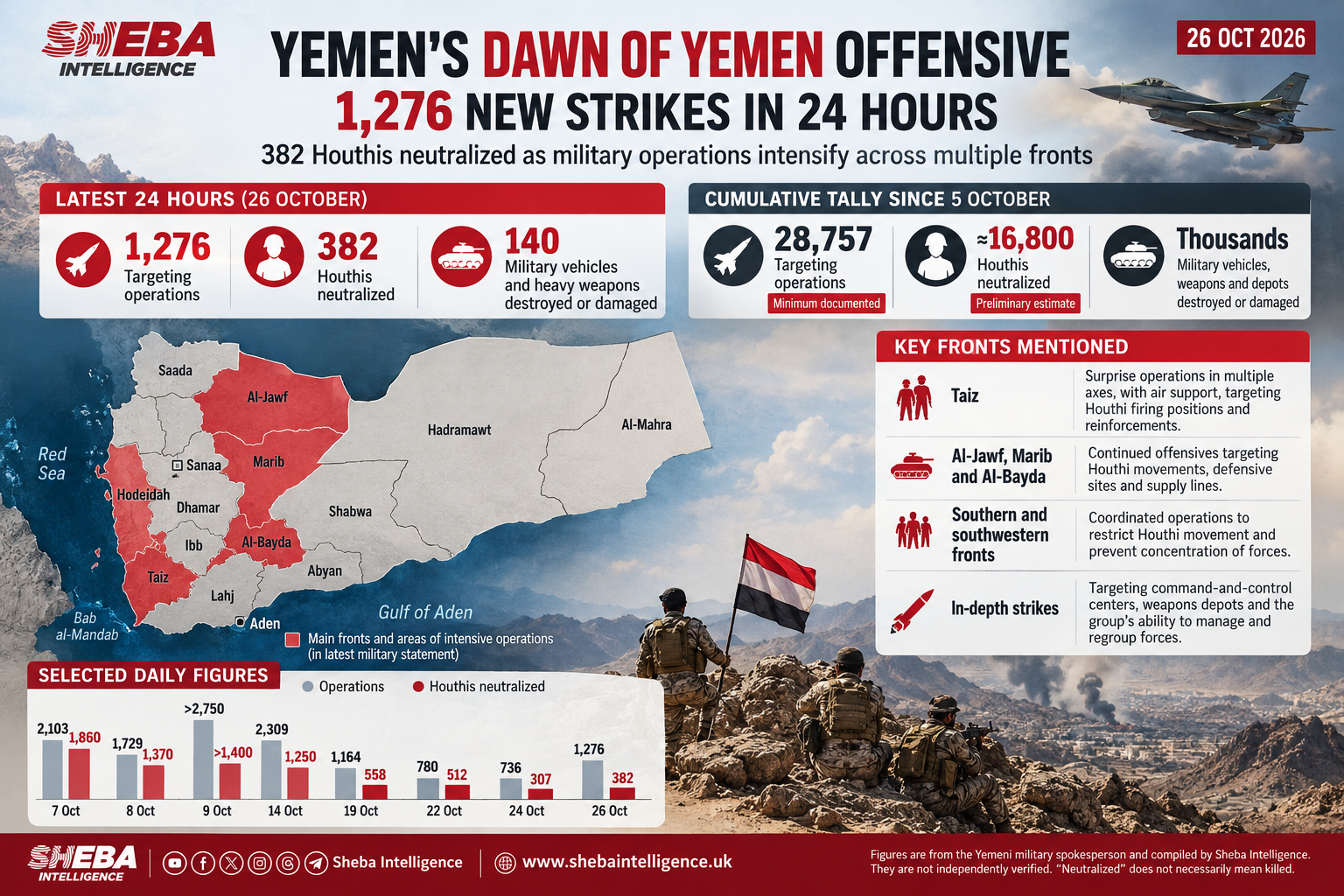
The group has not given up as it keeps mobilizing forces to begin a fresh battle to control the oil-rich areas in Marib and Shabwah.
Early this month, Sheba Intelligence obtained a video and photos of a force of 400 Houthi fighters who arrived in Al-Jawf recently, likely preparing to launch fresh attacks. It was not known whether the attacks would be conducted on Yemeni-Saudi border areas or would target the oil and gas areas in Safer in Marib.
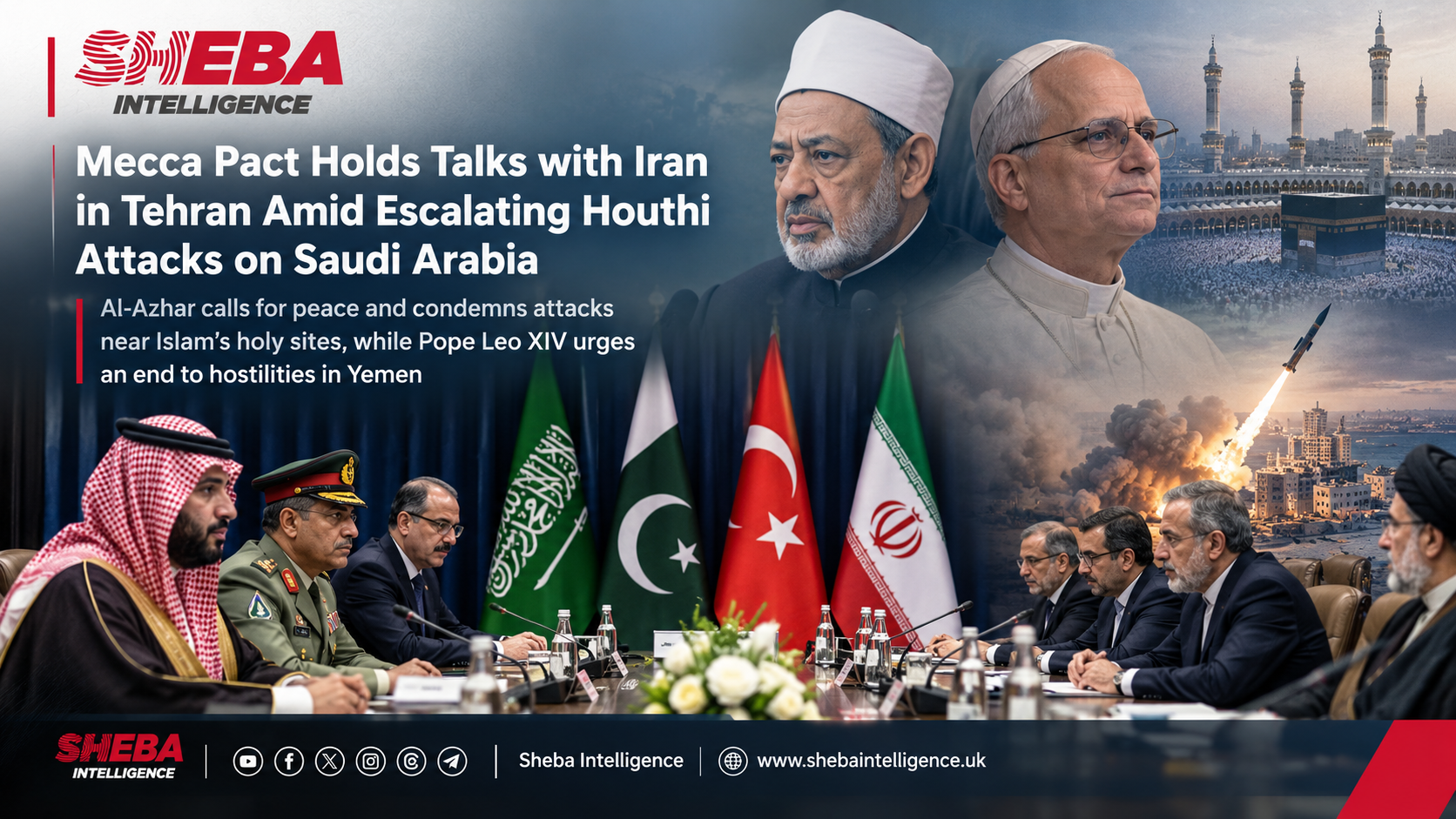
Informed sources told Sheba Intelligence in April this year that Russia, Iran, and Oman seek to invest in Yemen's oil and gas, and this might encourage the Houthi group to accelerate a military operation to control Safer in Marib, Balhaf in Shabwah and all oil and gas pipelines located between them.
According to the sources, there is an unannounced Russian-Iranian agreement to invest in Yemen's oil and gas with the help of the Sanaa-based government. The project seeks to extend oil pipelines from Yemen to Oman, which will be linked to the Omani-Iranian project.
On May 11, Ibrahim Al-Dailami, the Houthi ambassador to Tehran, met Ahmad Asadzadeh, the Iranian deputy oil minister for international affairs and trade, and discussed enhancing the cooperation between "Iran and Yemen" in the energy field, including the exchange of scientific and technical oil data.
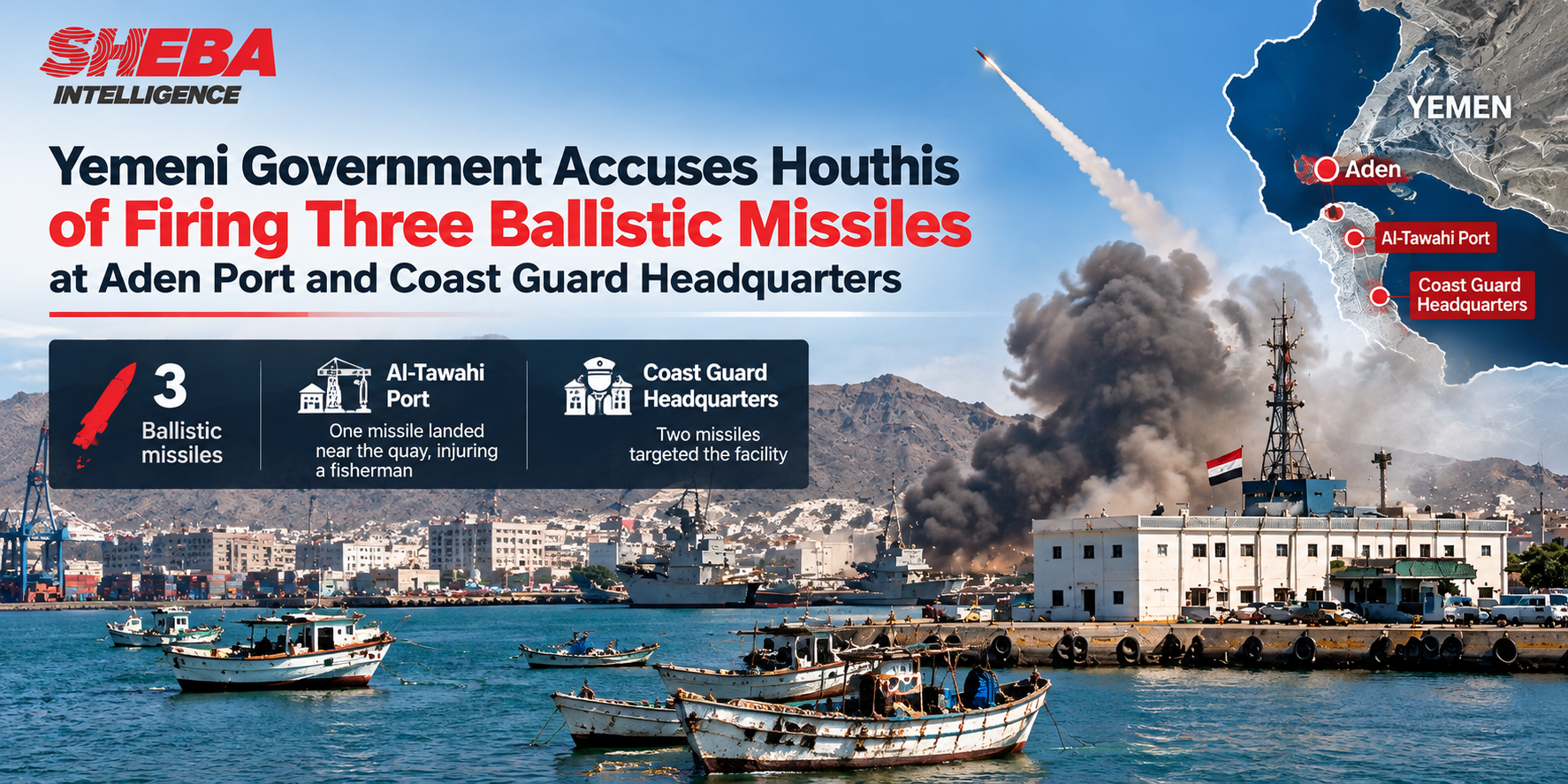
Fighting over the gas and oil fields in Yemen has cost the country billions of dollars in the past years of war. Yemen's internationally-recognized government said last year the Houthi attacks on crucial oil facilities cost Yemen nearly 1.5 billion U.S. dollars since August 2022.
Political observers in Yemen say the Houthi group will resume the war to control oil and gas facilities in Marib and Shabwah or at least one of them. According to the observers, the group feels its victory is incomplete as long as the Yemeni government controls oil and gas resources.