Yemen Government Ignores Corruption in International Relief Organizations
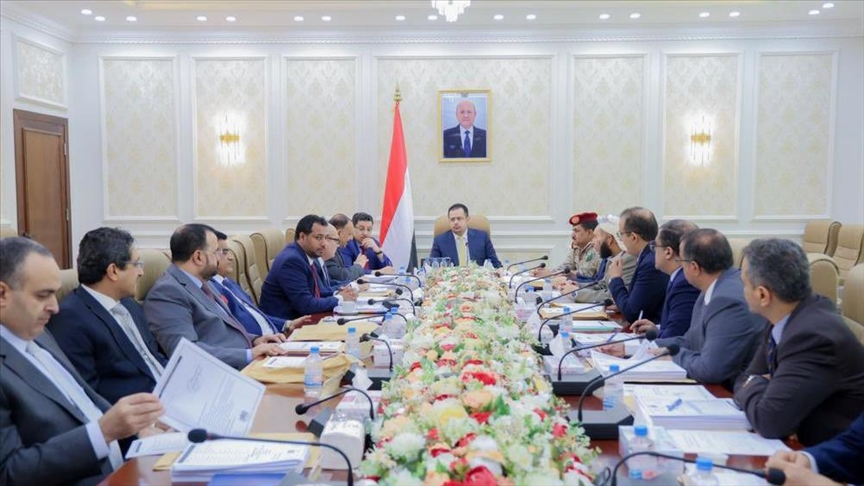
The Yemeni government is ignoring Parliament's demands to investigate corruption cases related to the operation of humanitarian interventions of international organizations in Yemen, a member of the Yemeni House of Representatives said on Monday.
In a post on platform X, Yemeni parliamentarian Ali Ashal said, "A memorandum was sent from the Presidency of the House of Representatives in March demanding that the government investigate reports on the violations and corruption practiced by international organizations in their relief and humanitarian food aid program."
However, according to Ashal, the government did not move to address this issue, and the Parliament's demand "fell on deaf ears".
The corruption practiced by the UN organizations in Yemen is not an allegation. Instead, it has happened over the past years, and UN officials have taken action to investigate corruption practices by UN staff in Yemen.
In 2019, the Associated Press reported that United Nations investigators were preparing to leave Sanaa Airport with evidence: laptops and external drives collected from the World Health Organization (WHO) staff. The laptops were believed to contain proof of corruption and fraud within the WHO office in Yemen.
Before the departure of the UN investigators from Sanaa Airport, Houthi militants arrived at the departure hall and confiscated the computers, according to the report. The UN investigators traveled without the collected evidence.
The report pointed out that a WHO staffer named Tamima al-Ghuly was the one who notified the Houthis that the investigators had taken the laptops. Al-Ghuly, said the report, had fabricated payrolls, added ghost employees, and collected their salaries. She also put on the payroll her husband, a member of a leading Houthi family.
Another corruption case was related to a UNICEF staffer who allowed a Houthi leader to travel in UNICEF vehicles to protect him from potential airstrikes by the Saudi-led coalition.
The Houthi group has been the dominant power in North Yemen after toppling the internationally-recognized government in 2015.
Aid workers say that the lack of government control and supervision of the operations of international organizations creates a fertile ground for corruption in Yemen's relief and food programs.