Yemen's Houthi Threats to International Shipping Lanes Halt Peace Negotiations and Risk Return of War
Yemen's Houthi group's involvement in the war between the Israelis and the Palestinians had a negative impact on the peace talks in Yemen. The freezing of the negotiations between the Yemeni government and the Houthis under Saudi-Omani sponsorship may threaten all previous steps that led to the halt of the war in Yemen.
Freezing the negotiations was a sudden decision after the Houthis and the Yemeni government came close to signing a peace agreement that was supposed to take place on November 25 in Riyadh.
Reports have said the Houthis put forward new demands, which obstructed the signing of the agreement. However, sources told Sheba Intelligence that the Americans asked their Saudi and Omani allies to stop any negotiations with the Houthis after the group announced targeting international shipping lanes and seizing the Israeli-linked ship Galaxy Leader.
The Americans are seeking to pressure the Houthis to stop firing missiles, attacking ships, and threatening international trade lanes in the Red Sea.
In a speech commemorating the independence of southern Yemen on November 30, 1967, the head of the Houthi political council, Mahdi Al-Mashat, said, "I remind the leadership of the coalition that we have made together an important step on the path to peace, and there is no longer any justification for any hesitation or reluctance to engage in constructive measures building-confidence measures, especially concerning the humanitarian and economic aspects."
He called for scheduling practical steps to lift restrictions on ports and airports and withdraw foreign forces from Yemeni lands and waters.
Al-Mashat said Washington needs to change its "hostile" behavior that does not serve peace in the region." He warned against any escalation, saying, "Any measure that harms the interests of the Yemeni people will be tantamount to a declaration of war and will be dealt with on this basis."
G7 foreign ministers call on Iran-backed Houthi rebels to cease threats to international shipping and to release a vessel they seized earlier this month.
A statement released by G7 foreign ministers said, "We especially call on the Houthis to immediately cease attacks on civilians and threats to international shipping lanes and commercial vessels and release the M/V Galaxy Leader and its crew, illegally seized from international waters on November 19."
The G7 includes Canada, France, Germany, Italy, Japan, the United Kingdom, the United States, and the European Union.
In his response to the statement of the G7, the spokesperson of the Houthi group, Mohammed Abdel Salam, said that their naval forces are committed to protecting their waters, and the attacks they launched over the past days targeted the Israeli ships only.
Before the Houthi attacks on Israeli ships, a peace deal between the warring sides in Yemen was about to be signed under the auspices of Saudi Arabia and Omani. In October of this year, the Saudi Minister of Defense, Prince Khalid bin Salman, discussed that deal with Yemen's Presidential Leadership Council, which is headed by Dr. Rashad Al-Alimi.
The deal is based on three phases. In the first phase, the war will stop, airports will open, and restrictions on ports will be lifted, besides the opening of roads, paying salaries, and releasing detainees.
The second phase will be the launch of a political process with a complete withdrawal of foreign forces, and the third stage will discuss the state's form.
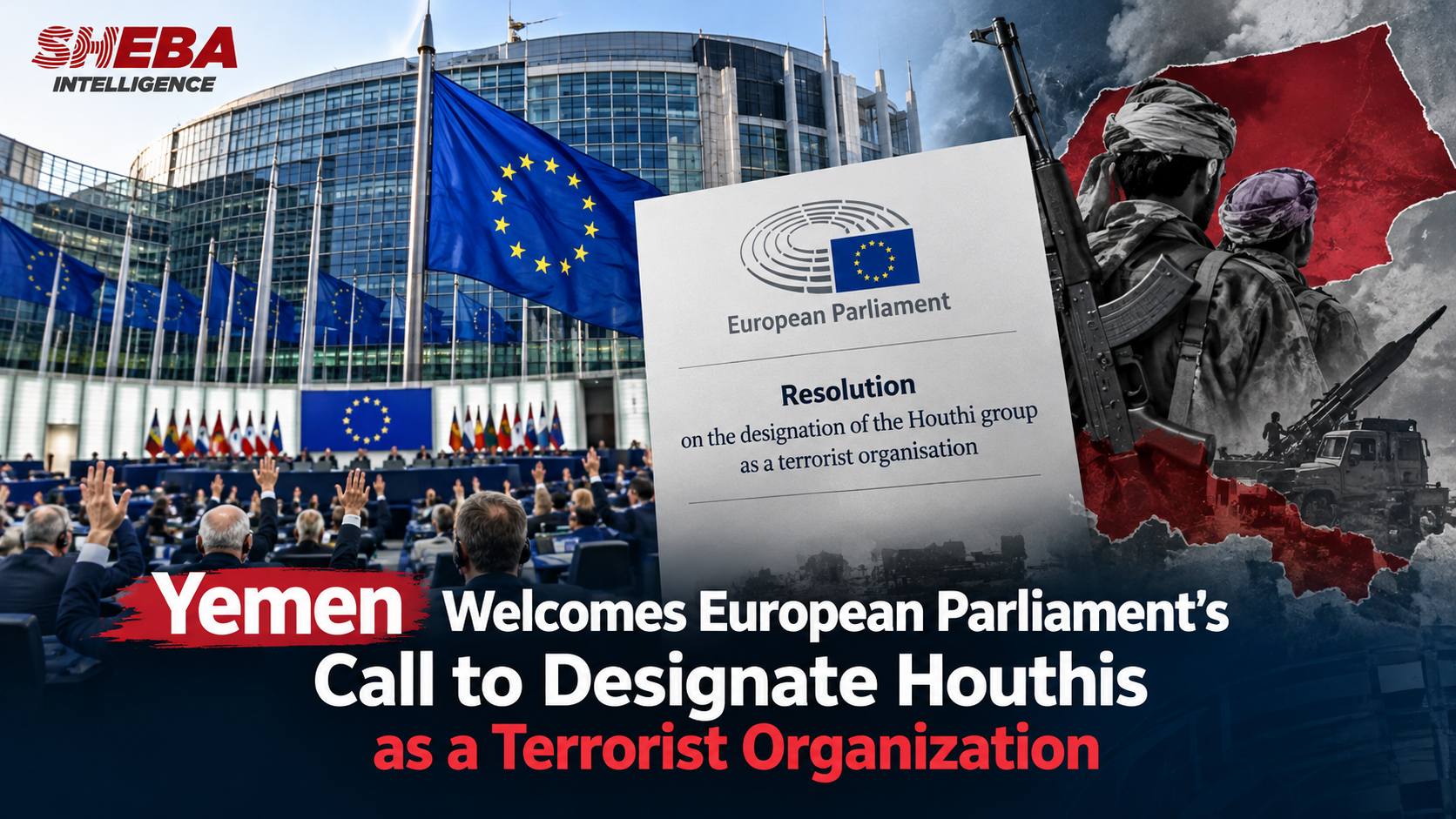
Two days after the Houthi capture of the ship on November 19, National Security Council spokesman John Kirby said, "In light of the recent targeting of civilians by the Houthis, and now the piracy of a ship in international waters, we have begun a review of potential terrorist designations, and we'll be considering other options together with our allies and partners as well."
Peace negotiators have expressed worry about the fate of the peace process in Yemen after Houthi attacks on Israel. Lenderking, the U.S. special envoy to Yemen, called on the country's warring sides not to waste the peace efforts. He said on November 8, "We have made tremendous progress on the peace process, and these peace efforts should not be squandered." Lenderking described the Houthi escalation as his "worst fear".