U.S. Inclination to Redesignate Houthis as "Terror" Group Threatens Yemen's Peace Talks
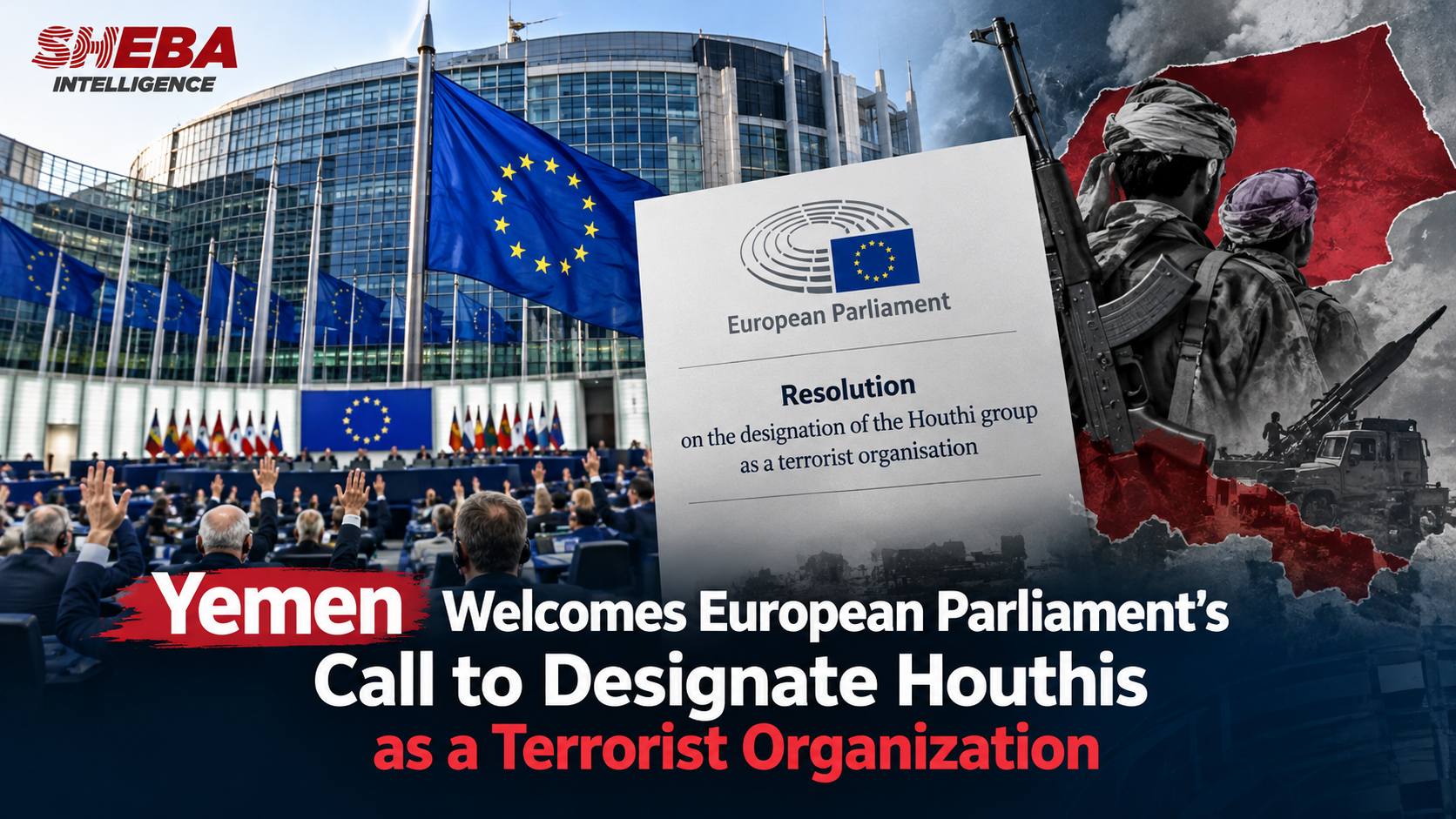
The current U.S. administration has begun changing its attitude towards Yemen's Ansar Allah (Houthi) group, and it is now considering the redesignation of the group as a foreign terrorist organization.
The Houthi barrage of ballistic missiles and drones at Israel over the past few weeks infuriated the American leadership that ordered all groups and countries in the region not to get involved in the Gaza-Israel conflict, which broke out on October 7.
As Israel continued its brutal airstrikes that leveled neighborhoods in Gaza and killed over 13,000 civilians, tensions in the region mounted, and militant groups in Iraq, Syria, Lebonan, and Yemen began targeting Israel and American forces.
The escalation that has heightened the U.S. anger and concern was the Houthi seizure of theIsraeli-linked ship Galaxy Leader in the Red Sea off Yemen on Sunday.
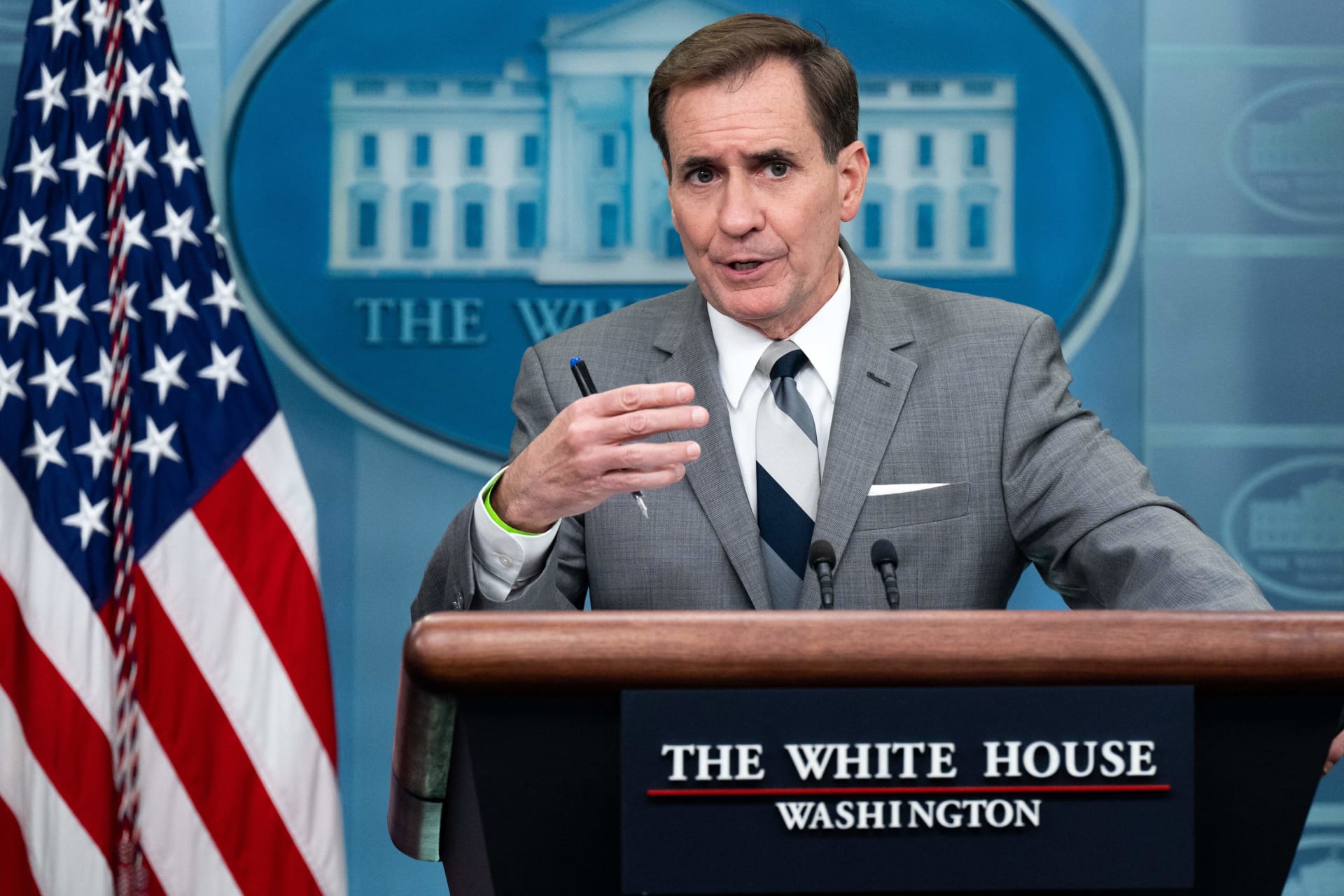
Two days after the Houthi capture of the ship that was sailing from Turkey heading to India, National Security Council spokesman John Kirby said, "In light of the recent targeting of civilians by the Houthis, and now the piracy of a ship in international waters, we have begun a review of potential terrorist designations and we'll be considering other options together with our allies and partners as well."
It was the former President Donald Trump administration that designated the Houthi group as a terrorist organization in the last month of its rule. However, when President Biden took over in 2021, he removed the group from the list of designated terror organizations and began a different U.S. approach to dealing with the crisis in Yemen. He also appointed Tim Lenderking as the first U.S. envoy to Yemen to push for a peaceful solution to the Yemen conflict.
In April 2022, the war in Yemen halted for the first time in seven years after the warring sides agreed to a UN-sponsored-US-supported truce. At the same time, peace talks intensified, and Yemeni rivals began discussing peace proposals, creating a feeling that Yemen was heading toward peace.
Now, the U.S. administration appears to have changed its priorities. It may shift from trying to help end the war in Yemen to punishing the Houthi group. This shift of policy may extend the war in Yemen.
The Houthi leadership has lately accused the U.S. of obstructing a peace deal between the group and the Saudi-led Arab coalition. Last week, Houthi movement chief Abdulmalek Al-Houthi said in a televised speech that the U.S. threatened that the war in Yemen would return because of the group's involvement in the Israel-Gaza war.
He said that the U.S. "put pressure on us through direct threats, the return of war [in Yemen], obstructing the agreement with the coalition after it was imminent, and obstructing humanitarian aid." However, he said the group will not bow down to such threats.
On November 8, the Houthi group claimed responsibility for shooting down a U.S. drone over the Red Sea, saying the drone was involved in "espionage and hostile activity". Sources told Sheba Intelligence that an Iranian air defense Khordad-3 System, which is specialized for hunting drones, was used to down the American drone.
The group is prepared to launch more attacks and shows no hesitance to clash with the American forces in the Red Sea. Nadwa Dawsari, a non-resident scholar at the Middle East Institute, said in a post on the X platform, "Houthis now threaten to attack ships that protect Israeli ships in the Red Sea. This means they might target US-led Intl Task Force CTF 153 that was established in 2022 to combat illegal activities in the Red Sea. CTF 153 intercepted several Iranian weapon shipments to Houthis."
Peace negotiators have expressed worry about the fate of the peace process in Yemen after Houthi attacks on Israel. Lenderking, the U.S. special envoy to Yemen, called on the country's warring sides not to waste the peace efforts. He said on November 8, "We have made tremendous progress on the peace process, and these peace efforts should not be squandered." Lenderking described the Houthi escalation as his "worst fear".